Information sheet

Article Summary
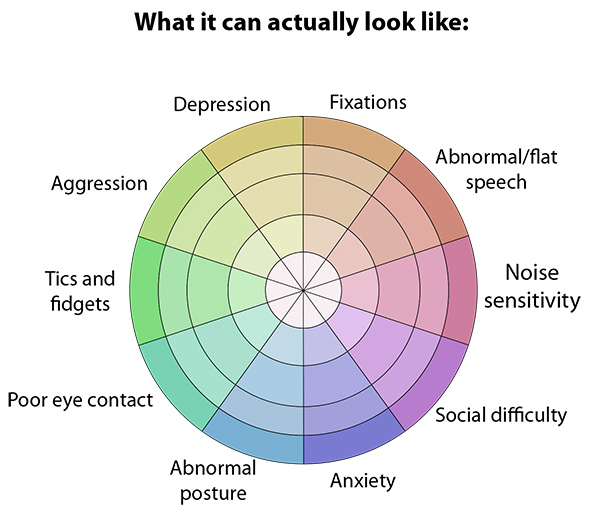
- Those on the autism spectrum have difficulty with social interaction as they lack the usual ways of interpreting sensory information and social cues.
- Over-sensitivity to sound is a common feature, along with other types of sensory distortions.
- The condition of autism may be characterised by obsession with particular interests, attachment to routine, self-soothing behaviours and stress and anxiety when things are not within their control.
- A person with autism usually lacks the ability to perceive the world from another’s point of view.
- Sound Therapy impacts directly on the sensory processing system, enabling the child to begin normalising their experience of the environment. Results may include greater calm and less anxiety, enhanced awareness of others and appreciation of another’s experience, and increased flexibility in engaging with others.
The problem
Autism (or Autism Spectrum disorder – ASD) is a complex neurobiological disorder which affects social and communication skills. Many people on the autistic spectrum also have unusual ways of learning, paying attention, or reacting to sensations.
The cause
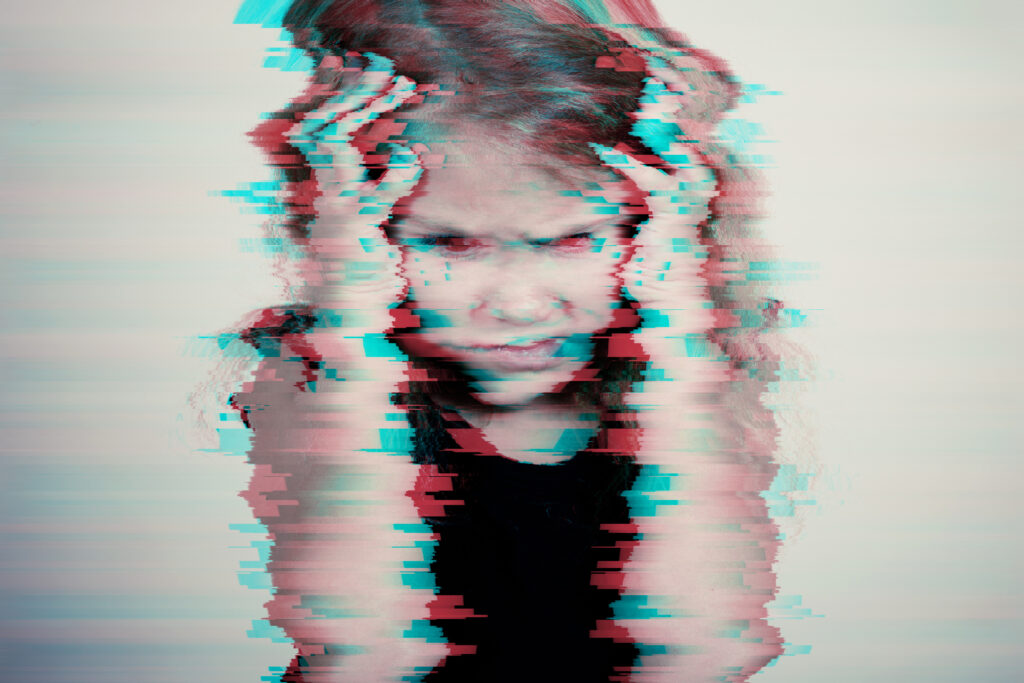
Although a definitive cause of autism is still unknown, a contributing factor is believed to be distortion in the reception of sensory information. Many children with autism exhibit extreme sensitivity to noise, with some frequencies being painful for them to hear.
The inventor or Sound Therapy, Dr Tomatis, suggested that in order to shut out painful sounds or other unwanted stimuli, the autistic child closes down the hearing mechanism so that certain sounds cannot penetrate the consciousness. Over time, the middle ear muscles may also lose their tone, resulting in sounds being imprecisely perceived and incorrectly analysed.
How Sound Therapy may help
Sound Therapy not only helps to restore normal listening and processing of sound, it also helps to build new brain connections, sometimes correcting a complex array of sensory processing difficulties.
Results for children with autism may include:
- Increased eye contact and awareness of others
- Expressing emotions
- Better communication
- Improved sensory perception.
What Sound Therapy can achieve
Sound Therapy may offer a child with autism the opportunity to reopen the listening capacity. The fluctuating sounds produced by the Electronic Ear gradually exercise and tone the ear muscles, teaching the ear to respond to and recognise a wider range of frequencies. As this continues, the child that has difficulty relating to others may begin to respond, and communication takes on new meanings.
For children without language, vocalisation may increase, initially as screams and then as babbling. Children who can speak may develop more appropriate use of language, for example, starting to use more personal pronouns (“I”, “you”), first names or using words to express their feelings. They may begin to laugh and cry at appropriate times.
Once children have begun to emerge from their emotional isolation, they have shown increased responsiveness to what they are being taught and to the people who care for them.
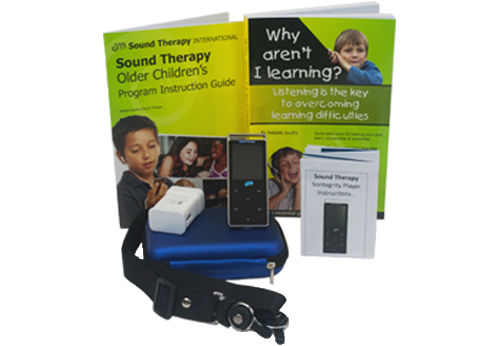
Older Childs Package
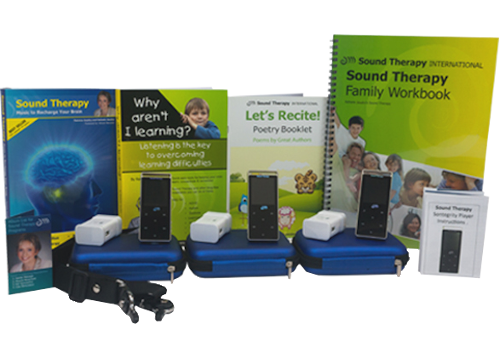
Family Package

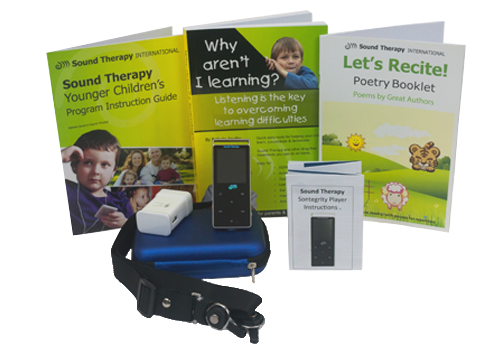
Younger Childs Package
Start Getting Relief Today
Click here to choose your package


Basic Essentials Package
Triple Mode Package
Deluxe Package