Sound Therapy reduces stress

De-stress yourself without medication or meditation

Marion Loe is very organised and busy and describes herself as a high anxiety person, someone who becomes easily stressed. Several months ago she decided she had to do something about it and frantically collected all the tools she could find for stress relief. The most useful thing she tried was a listening program called Sound Therapy.

Marion was able to listen during her daily activities such as computer work, driving or housework, playing the music at low volume through headphones. She also used it while sleeping, and found she was getting a deeper, sounder sleep.

Soon, she said, “I was getting great rushes of energy. Very surprising response — fantastic. Now I feel like I have bigger ears, bigger eyes, my “antennae” are more sensitive. I’ve slowed down and can appreciate the world differently.”

Marion’s experience is typical of many who use this therapy for conditions such as stress, fatigue, depression, anxiety and insomnia.

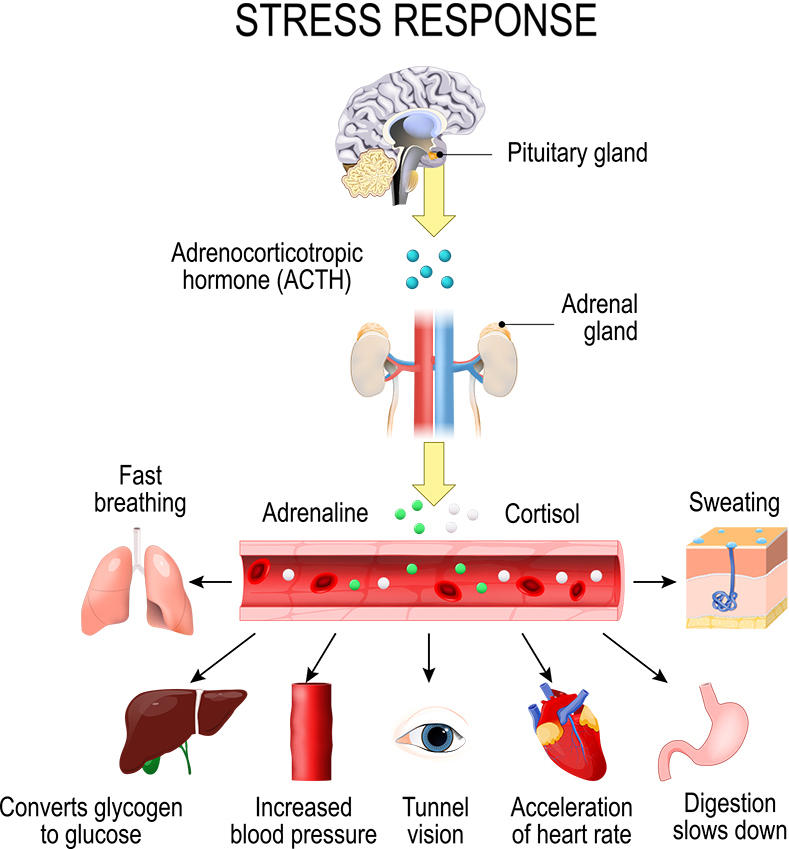
“Stress,” explains Rafaele Joudry, founder of Sound Therapy International, “is due to a lack of brain energy. Brain response depends on the ability of the neurons to constantly build up energy and then fire off signals,” she says. “The nervous system cannot recover if stress hormones keep us in a state of fight or flight. Sound Therapy induces deep calm and reduces the activity and impact of these stress inducing neurochemicals,” says Joudry

I am amazed at the power of this method. After just six hours I noticed benefit in my energies and played better tennis.
Allen McNeil, New South Wales
I am amazed at the power of this method. After just six hours I noticed benefit in my energies and played better tennis.
Allen McNeil, New South Wales

Stress Facts

  • Stress affects both the mind & body, and impacts overall health & well-being.
  • Unmanaged stress can lead to an increased risk of both mental & physical problems, such as infection, illness, diabetes, obesity, and heart disease, as well as depressive and anxiety disorders.
  • Stress is on the rise especially for young people today dealing with financial uncertainty, and work-related stress.

Joudry explains that the brain works like a battery, which is either charged or discharged by the sounds around us.

“Low frequency sounds are discharging,” she says, describing how we are surrounded every day by the low hum of office machinery and household appliances. “What we need more of,” says Joudry, “are high frequency sounds such as those found in nature. Birdsongs frogs and running water are the type of sounds that are natural and healthy for the ear.”

The inner ear contains 30,000 tiny hair-like, sensory cells which pickup sound vibrations and transmit them to the brain. These sounds, if they are the right sort of sounds, stimulate neuronal activity and help to build brain energy. The problem is that most of the time those sounds never even reach our brain.

Everyday Stress Stats

The subject of stress has become a favourite subject of everyday conversation. It is not unusual to hear ourselves talk with friends, coworkers, and family members about the difficulty we have with managing the stress of everyday living. We talk about being burned out, overwhelmed and "losing it."

According to the American Psychological Association:

- Forty-three percent of all adults suffer adverse health effects from stress.
- 75 to 90 percent of all physician office visits are for stress-related ailments and complaints.
- Stress is linked to the six leading causes of death--heart disease, cancer, lung ailments, accidents, cirrhosis of the liver, and suicide causes of death--heart disease, cancer, lung ailments, accidents, cirrhosis of the liver, and suicide.

I have had some beautiful benefits from Sound Therapy: trebled energy, less sleep needed, steadier moods, more focused concentration, and I have notes in the top of my vocal range that are brand new.
Melanie King, singer, Melbourne
I have had some beautiful benefits from Sound Therapy: trebled energy, less sleep needed, steadier moods, more focused concentration, and I have notes in the top of my vocal range that are brand new.
Melanie King, singer, Melbourne

These discoveries originated with Doctor Alfred Tomatis, a French ENT (ear, nose and throat) doctor who made a breakthrough in the field of auditory neurology. He developed a Sound Therapy program with special filtering to activate and improve the function of the ear. Through this process he discovered that a healthy, well tuned ear is capable of delivering the high frequencies that the cortex of the brain needs.

Rafaele Joudry has documented accounts of thousands of listeners who find that using Sound Therapy dramatically reduces their stress.

“The beauty of the portable method,” explains Joudry, “is that you can do it while you’re on the go. It takes no effort or time out of your day, because the volume is kept very low, so although you’re listening through headphones it actually makes it easier to focus and concentrate, or even to converse.”

A survey conducted by the company found that 86% of listeners experienced a reduction in their stress. Similar results have been observed in a number of clinics which use Tomatis based Sound Therapy.

The effect on my frazzled nerves has been dramatic, in a subtle, natural way. My thinking is clear and I have a strong sense of well being. I believe it has been instrumental in relieving me of migraine headaches.
Elise Edson
The effect on my frazzled nerves has been dramatic, in a subtle, natural way. My thinking is clear and I have a strong sense of well being. I believe it has been instrumental in relieving me of migraine headaches.
Elise Edson

Start Getting Relief Today

Click here to choose your package

Basic Essentials Package

Triple Mode Package

Deluxe Package