
What is depression?
Clinical depression with its symptoms of despair, guilt, exhaustion and anxiety is a singularly debilitating condition. Severe sufferers find it hard to become motivated or enthused about any part of life. Rising rates of teen suicide are an alarming warning that depression is out of control and growing rapidly. In a depressed state there is less brain activity, less external awareness, less drive and motivation and lower life force energy.
What causes depression
Depression is linked to the lack of certain neurotransmitters which create positive emotions: dopamine, serotonin and noradrenaline. Dopamine is necessary in numerous parts of the brain to produce normal functioning. The particular areas thought to be associated with depression are lack of dopamine in the basal ganglia frontal lobe pathway, and the frontal lobes of the cortex, the area which allows us to be conscious of our emotions.
The right left balance
The right hemisphere of the brain seems to be associated with negative emotion while the left is more engaged with happiness.
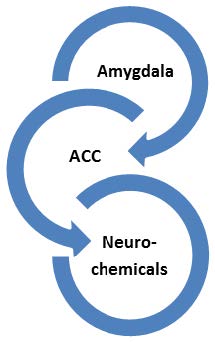
Throwing yourself into some left brain activity like reading, talking or doing a crossword puzzle often brings relief from mild anxiety and depression. When the left brain is active it sends signals to the right brain thus inhibiting its tendency to sink into emotional moodiness. A part of the emotional brain, or limbic system, called the amygdala, generates negative emotions such as anger, fear and grief. Later in our evolution we developed our prefrontal cortex which gives us the ability to think logically and therefore to control emotions that are generated in the amygdala and limbic system.
Anxiety
Anxiety is another mix of negative emotion with a higher proportion of fear. When a high level of anxiety is being generated by the amygdala, any amount of rational thinking may not be enough to quell the uncomfortable feelings.
The anterior cingulate cortex – ACC
This small, specific area near the front of the cortex is seen as the brain’s emotional control centre. It tends to be active when we concentrate our attention on negative or painful events such as being socially rejected. This is why for a clinically depressed person, external distractions like a nice holiday may make no difference if the internal focus is dominant due to the activity of the anterior cingulate cortex.
How can Sound Therapy help?
Sound Therapy has often proved helpful for depression and anxiety. By activating the neurons in the cortex and other parts of the brain, it causes increased activity, strengthens neural pathways and balances brain functions.
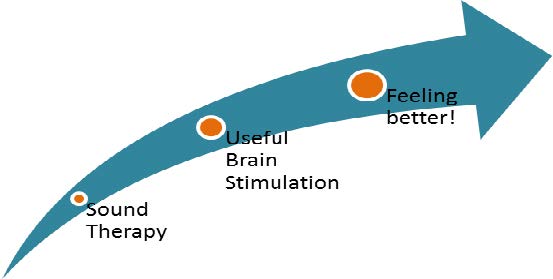
This added stimulation may enable the brain to naturally increase its dopamine and serotonin production, thereby increasing our motivation and happiness. By increasing external sensory awareness it helps us to reduce our internal focus, so negative emotions coming from the amygdala can be overruled by more conscious cortical awareness. Sound Therapy’s stimulation of the cortex may balance cortical pathways, reducing the overriding effect of the anterior cingulate cortex. By giving us conscious choice over our external versus internal focus, it gives us a positive outlook and increases our ability to notice and care for others.
Where Sound Therapy fits in
Research has shown that the stronger their left orientation, the happier the person is likely to be. Sound Therapy directly stimulates the left brain, so long term Sound Therapy listening is likely to increase levels of happiness. Someone who has had a tendency to depression may need a significant period of time to re shape the brain’s responses.
‘Sound Therapy has given me more than I could have asked for or expected, I have suffered serious Post Natal Depression for almost 18 months involving hospital and loads of medication but in the last couple of months I can confidently say that my mental health has been free from the dark and frightening choke hold on my daily life and I have felt fantastically normal for the first time in what feels like years. Where has Sound Therapy been all my life!?’
Yasmin Hibbins
Start Getting Relief Today
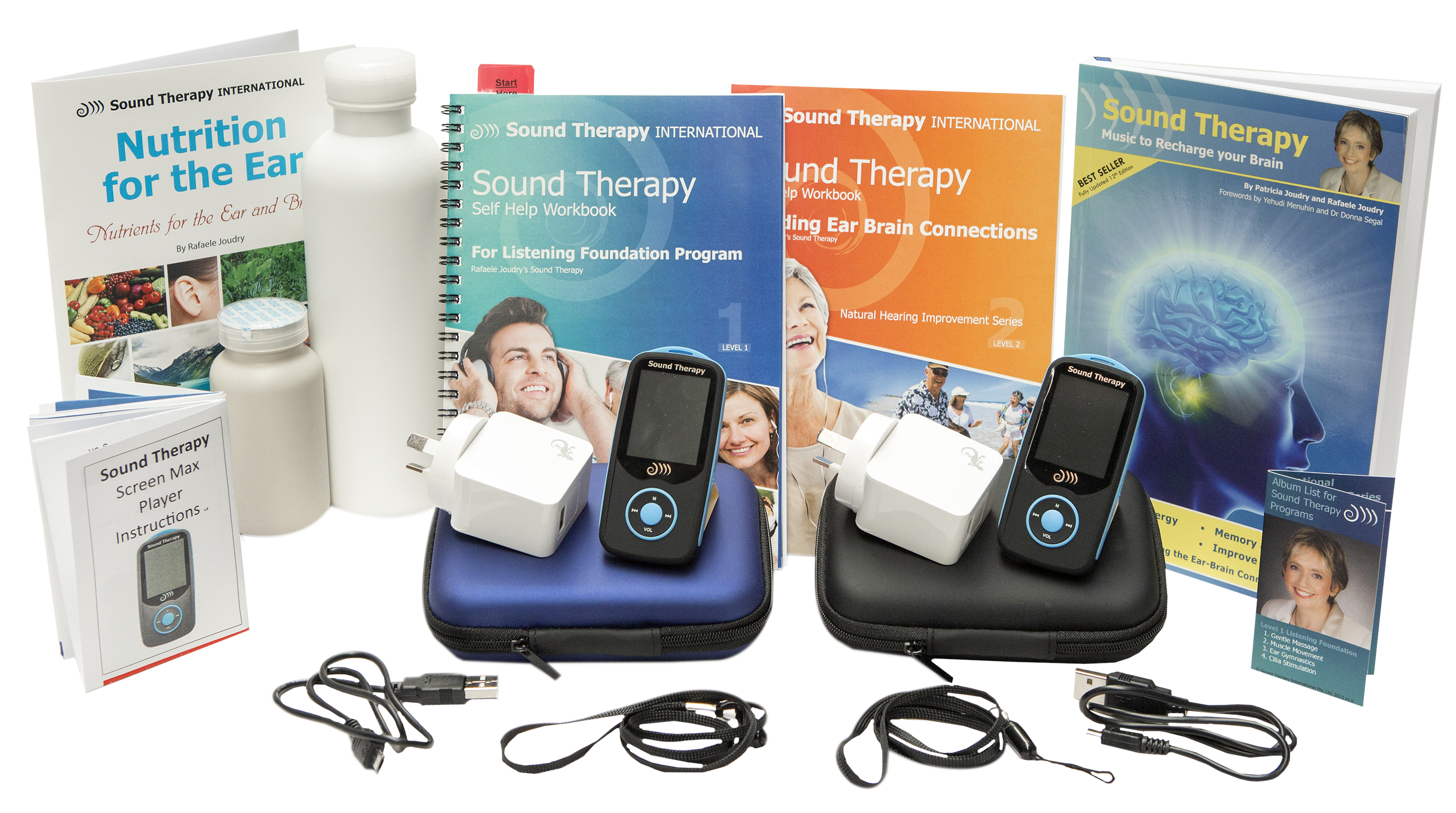
Basic Essentials Package
MOST POPULAR
Triple Mode Package
Deluxe Package
|
or |
|

|
|
|
|
|
|
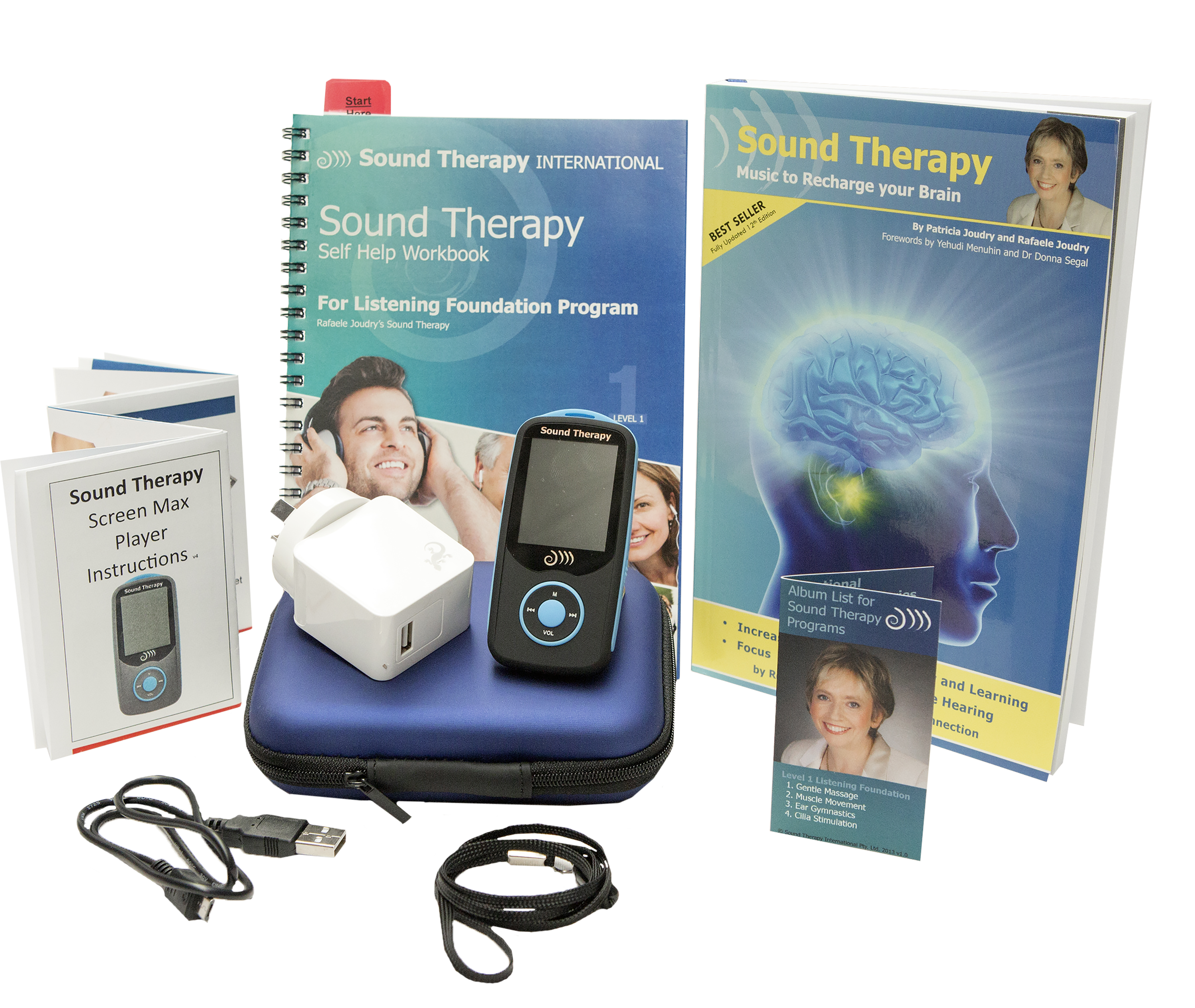
| An affordable option with everything you need to get started with Sound Therapy |
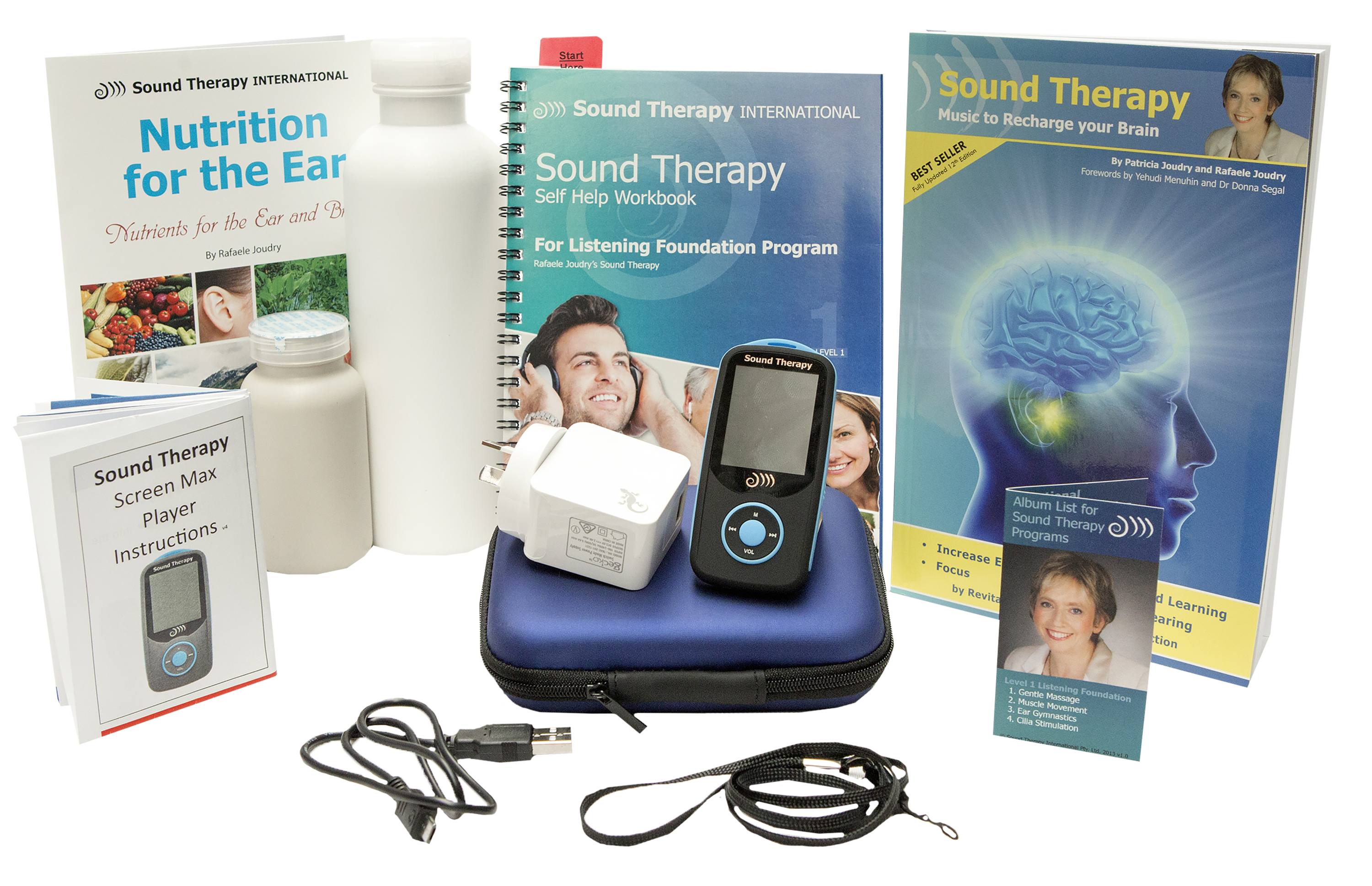
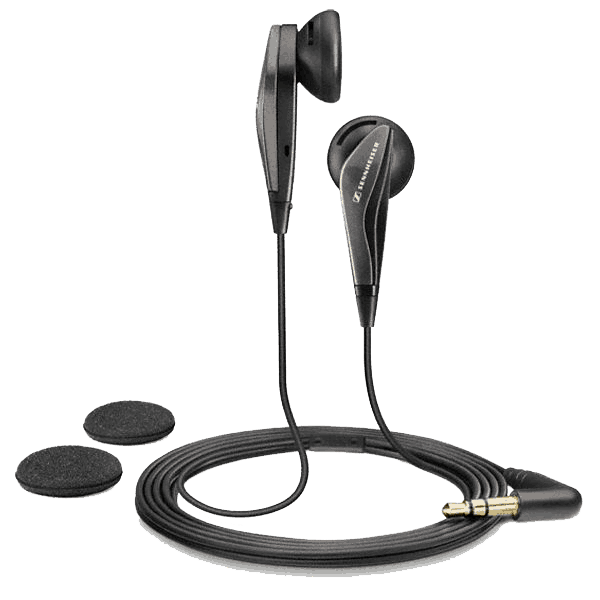
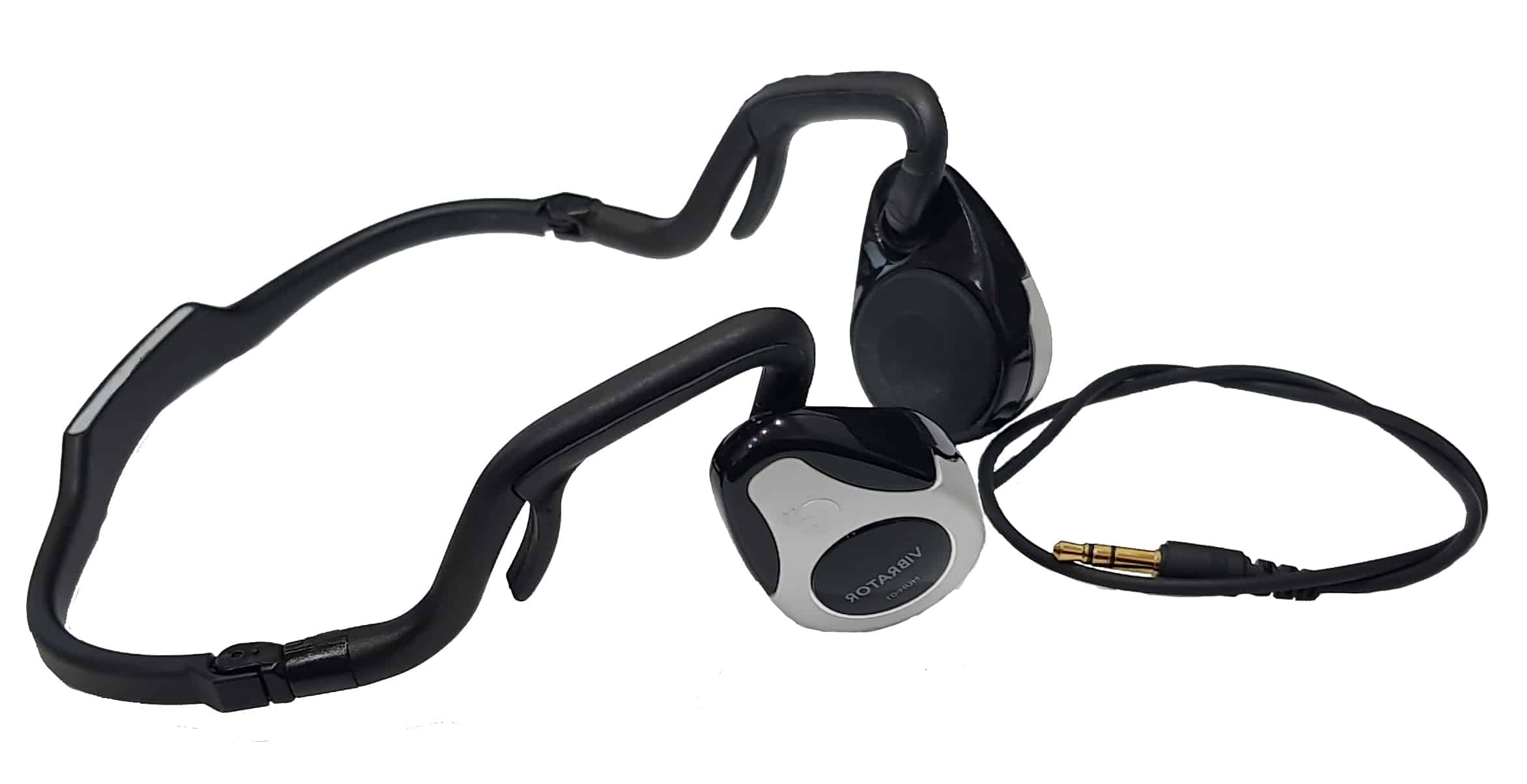
| Add the benefits of nutritional support and bone conducted sound to improve your results |
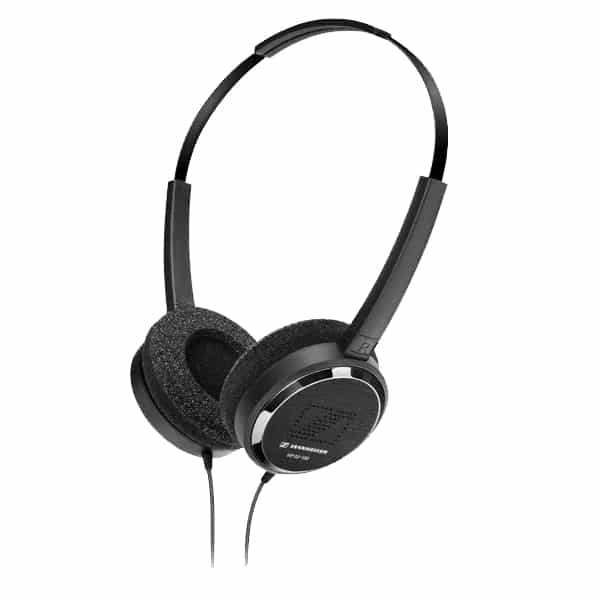
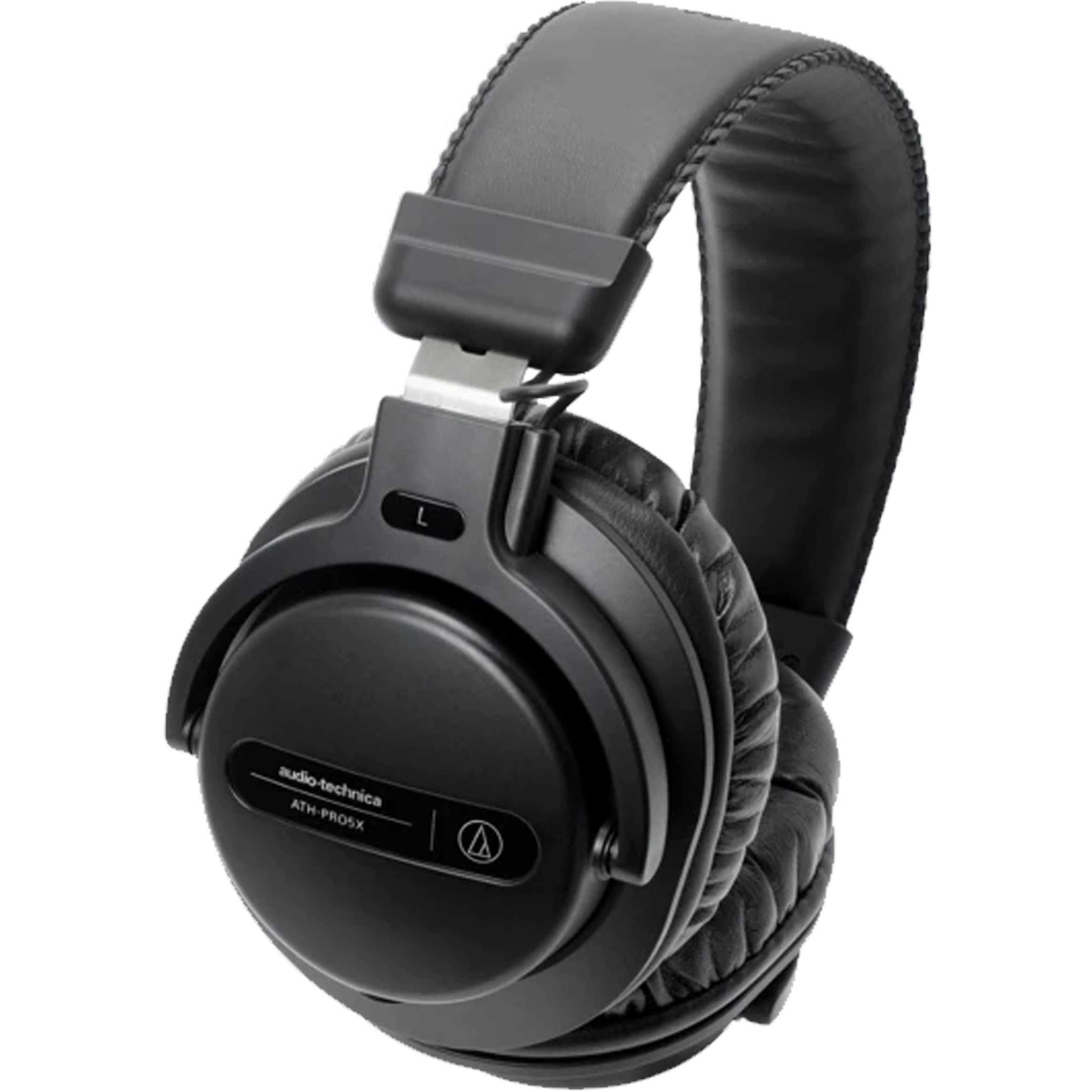
| Contains everything in the Triple Mode package plus our very best headphones and both Level One and Level Two programs. |
SAVE $284
SAVE $430
SAVE $667
Rafaele Joudry
 Rafaele Joudry is an international speaker and author of three books on Sound Therapy. She has been speaking and educating on Sound Therapy for 25 years. Her mission is to make Sound Therapy and the discoveries of Dr. Tomatis widely available to everyone who needs it.
Patricia Joudry
 Patricia Joudry dedicated her life to helping others with their personal and spiritual development through her work. In 1984 she discovered Sound Therapy and wrote the original book on her discoveries: Sound Therapy for the Walkman.
Sound Therapy
 The great journey of my life has been being able to help many thousands of people to have better ear and brain health for life, through Sound Therapy.
Environmental Health
 Today we live in a world affected by many sorts of pollution. Our world is contaminated chemicals. Many diseases are on the rise, including cancer, chronic fatigue, chemical sensitivity and tinnitus.
Healthy Homes
 Toxins from the environment can enter and build up in our bodies, making us sick without knowing why. The products we use in our bathrooms and laundries are one of the biggest culprits.
Living Sustainably
 One of my many passions is sustainable living and living in harmony with our environment. I am part of a project in New Zealand to set up a permaculture village, designed for resilience.