
How to enhance language and learning for Down Syndrome children
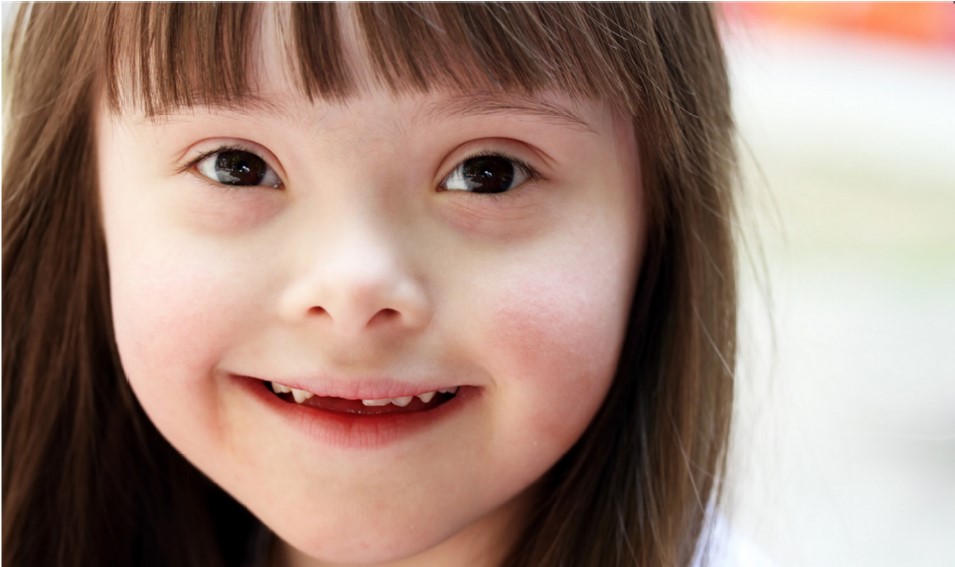
The expected potential of children with Down Syndrome has vastly increased in recent decades leading to better care, fulfillment and life expectancy for these unique individuals. With the increase of early intervention, sensory stimulation programs and language therapies many of the previously assumed limitations of these children are being challenged.
The most significant educational difficulties they face are due to
hearing and processing difficulties, which can be greatly alleviated with the right care. Down Syndrome causes a slow processing speed, reducing the ability to comprehend short words, which are essential to language construction.
Lack of muscle tone typically results in poor posture with a slouched appearance, curved shoulders, and limited facial expression and oral control, which affects speech production.
Typical Characteristics of Down Synerdrome |
||
|
|
|
|
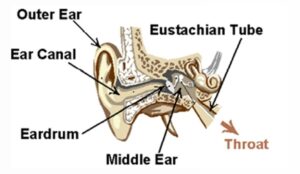
Hearing is a vitally important aspect of speech. The ear specialist, Dr Alfred Tomatis, showed that the ear is actively involved in processing language for comprehension as well as in the auditory control of speech. Therefore, therapy provided to the hearing mechanisms will greatly enhance speech development. While hearing can be seen as the passive reception of sound, listening is the active focussing ability of the ear.
The middle ear acts like a radar system, selecting, through the action of its muscles, to direct our attention to the sounds of interest. This is the first step in auditory processing. Some of the facial muscles and nerves, essential for speech, are, to an extent, controlled by the ear. The trigeminal nerve and the facial nerve are both involved in vocal production. They also control the
opening and closing of the mouth and movement of the lips. These same nerves supply the two tiny muscles of the middle ear, the hammer and stirrup muscles.
High Frequency Sound |
| Sound Therapy saturates and retrains the ear using high frequency sound. Both perception and production of high frequencies are typically lacking for individuals with Down Syndrome. Because high frequency sounds energise the brain, this results in better focus, concentration, clearer thought and articulation for those with Down Syndrome. Satisfactory results have been reported for Down syndrome children using Sound Therapy in over 70% of cases. |
Poor function of these muscles may predispose a child to ear infections.
These are common among children with Down Syndrome, producing greater middle ear dysfunction, and reducing listening ability.
The Sound Therapy program is progressively tailored to retrain the ear and brain with high frequency sound. A particular pattern of intense changes in sound frequency increases the child’s alertness and vigilance, making him or her more responsive and attuned to sensory input. This in turn improves muscular control, body awareness and posture. The intense pattern of re-charging sound activates and exercises the middle ear muscles, improving their tonicity and performance.
It enhances auditory processing by training for right ear dominance. The effect may be an increase in facial expression early on in the listening program, plus an improved ability to use language and construct sentences. This may be accompanied by improved coordination, spatial awareness and sense of timing. As the child’s auditory perception is enhanced, parents and teachers usually also report better behaviour, a happier deposition and noticeable improvement in the child’s ability to communicate and learn.
“There was a transformation in the child’s behaviour after just a few hours of listening.”
Patrice Hosking, therapist
Start Getting Relief Today
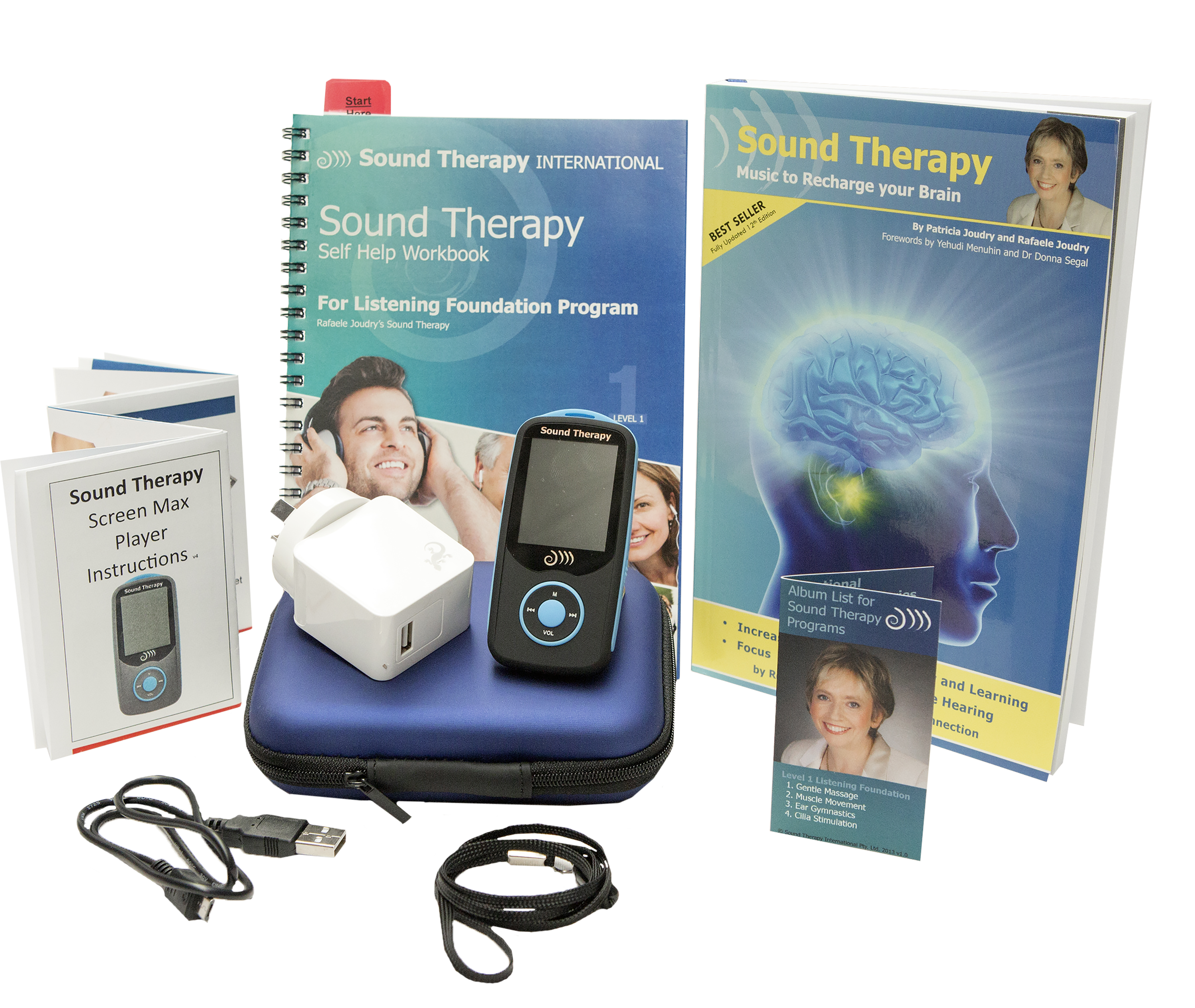
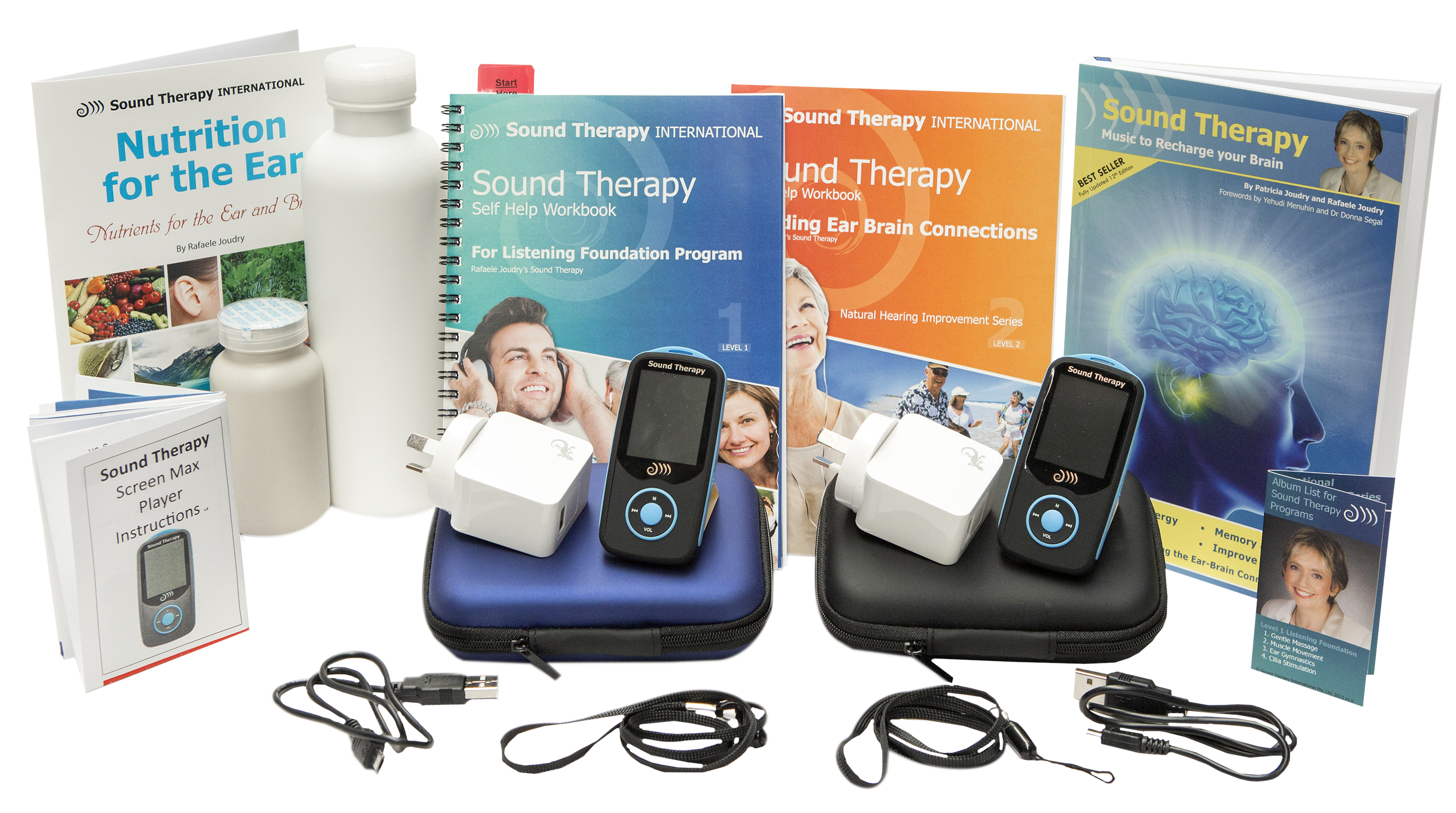
Basic Essentials Package
MOST POPULAR
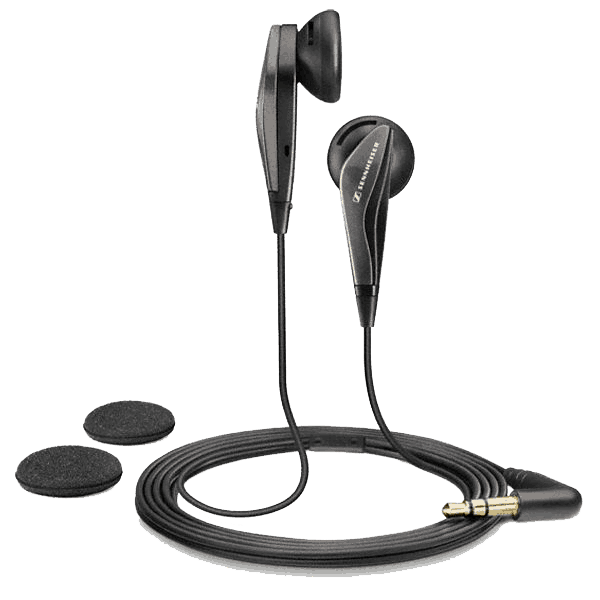
Triple Mode Package
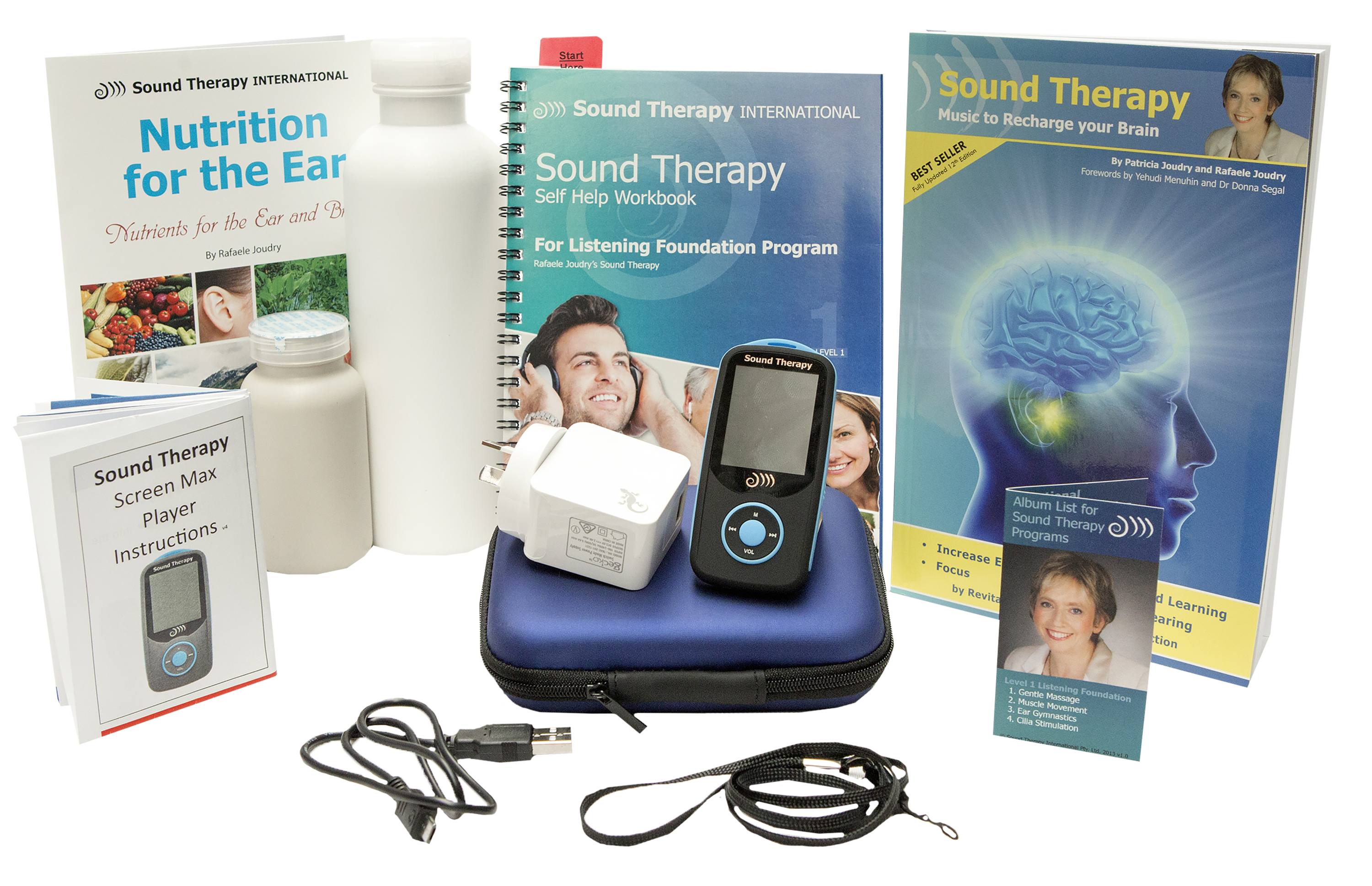
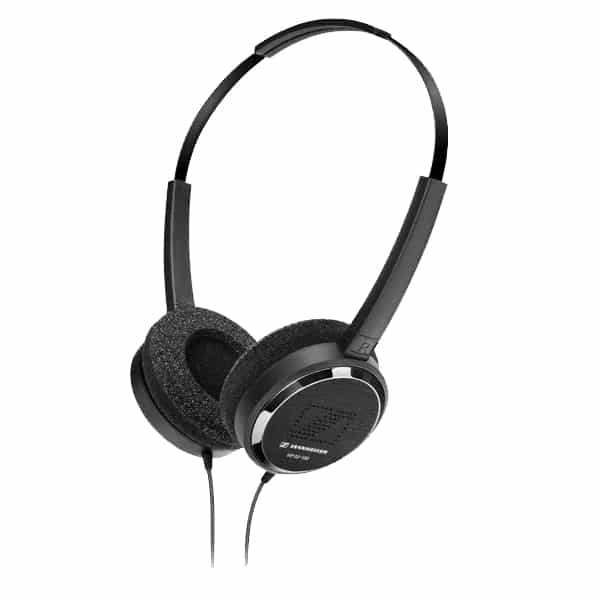
Deluxe Package
|
or |
|

|
|
|
|
|
|
| An affordable option with everything you need to get started with Sound Therapy |
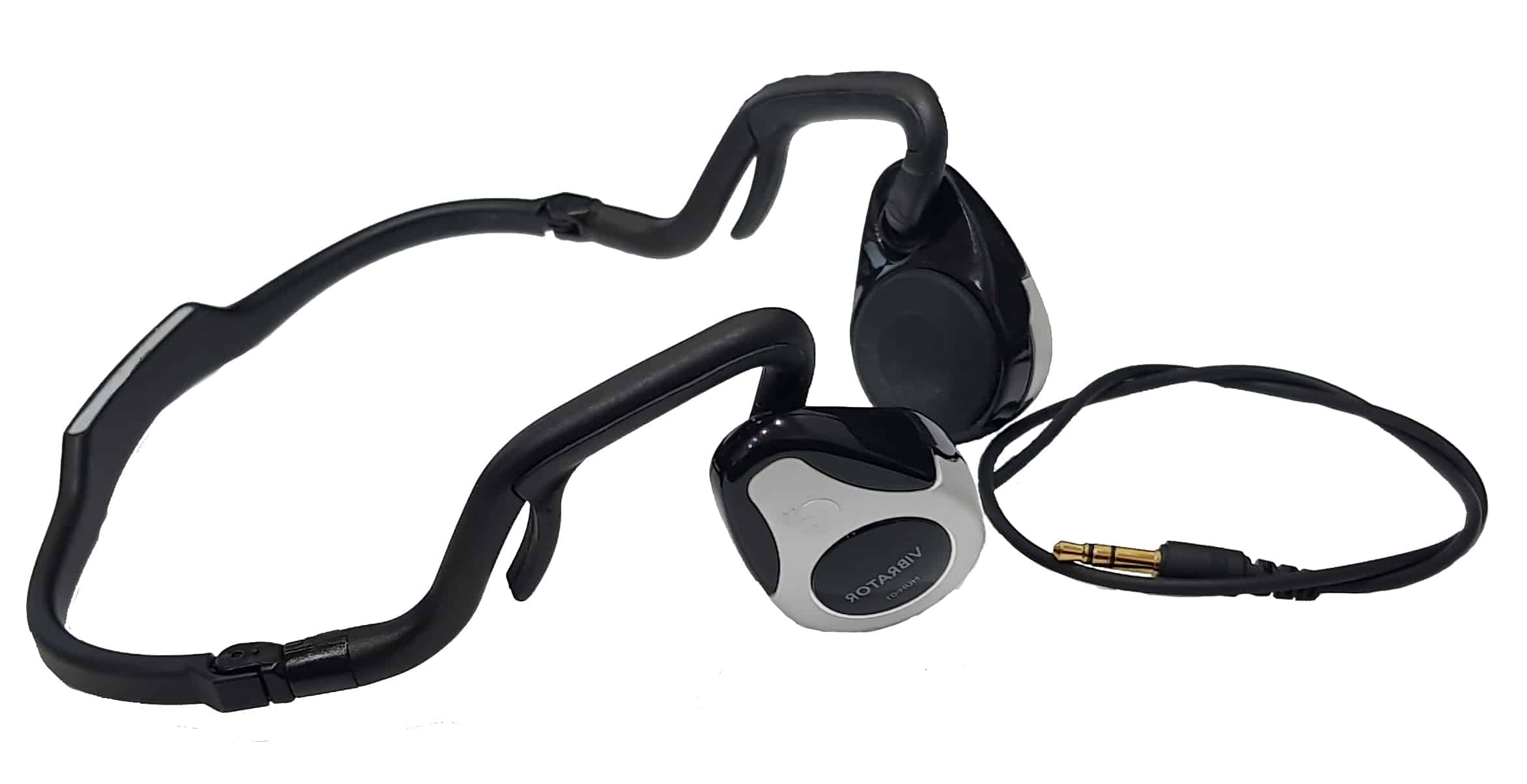
| Add the benefits of nutritional support and bone conducted sound to improve your results |
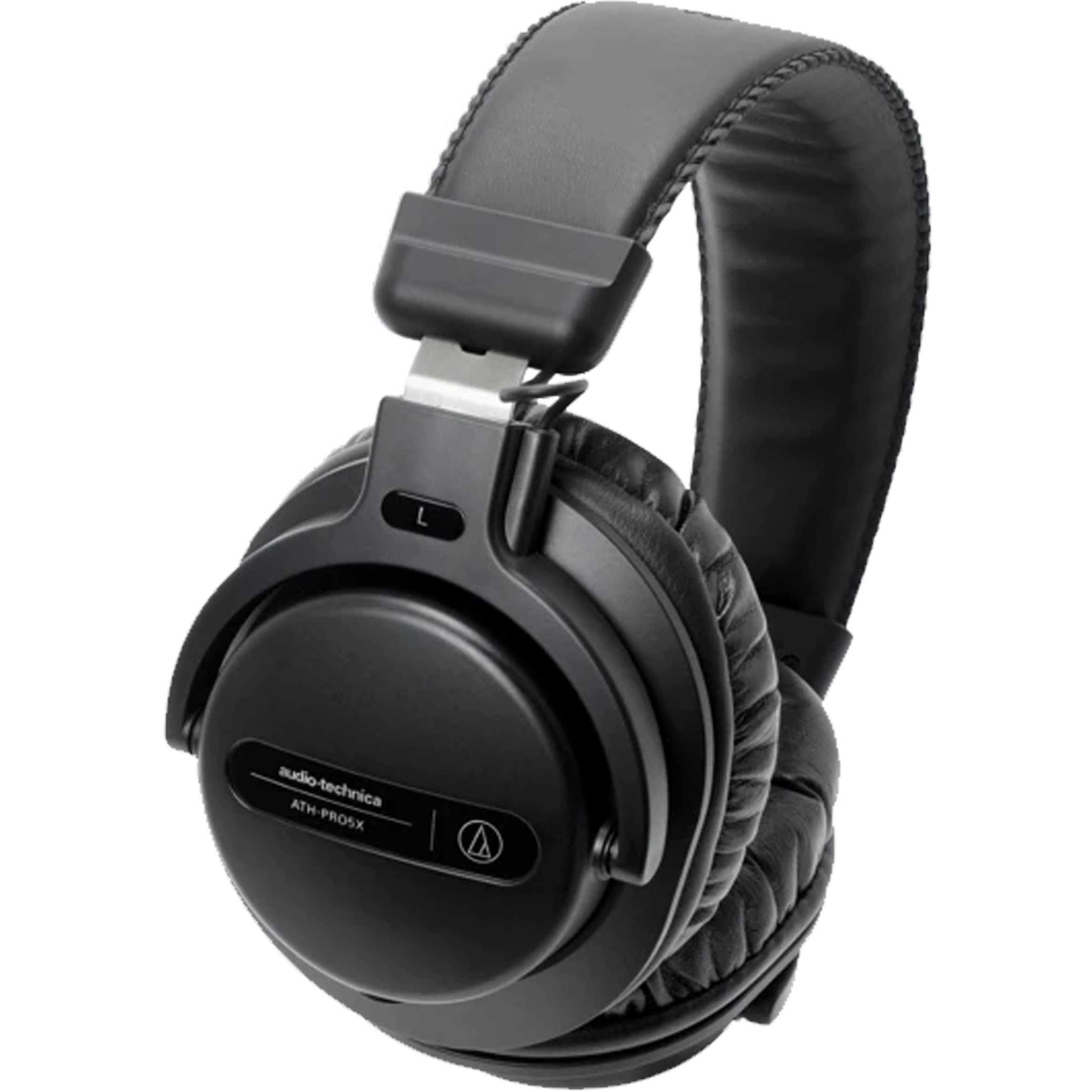
| Contains everything in the Triple Mode package plus our very best headphones and both Level One and Level Two programs. |
SAVE $284
SAVE $430
SAVE $667
REFERENCES
Gilmor, T.M. , Madaule, P. & Thompson, B. (1989 ) , (Eds.) About The Tomatis Method. Toronto: The Listening Centre Press.
Meyers, Laura F. (1987) The Language Machine, College Hills Press.
Tallal, Paula. (1976) “Auditory Perceptual Factors in Language and Learning Disabilities”. In Knights, R.M. & Baker, D.J. (Eds.) The Neurophysiology of Learning Disorders: Theoretical Approaches. Baltimore: University Park Press.
Snashall, S. “Hearing Impairment & Down's Syndrome.” Cited on 31st March 2014: http://www.intellectualdisability.info/physical-health/hearing-impairment-downssyndrome
Rafaele Joudry
 Rafaele Joudry is an international speaker and author of three books on Sound Therapy. She has been speaking and educating on Sound Therapy for 25 years. Her mission is to make Sound Therapy and the discoveries of Dr. Tomatis widely available to everyone who needs it.
Patricia Joudry
Sound Therapy
 The great journey of my life has been being able to help many thousands of people to have better ear and brain health for life, through Sound Therapy.